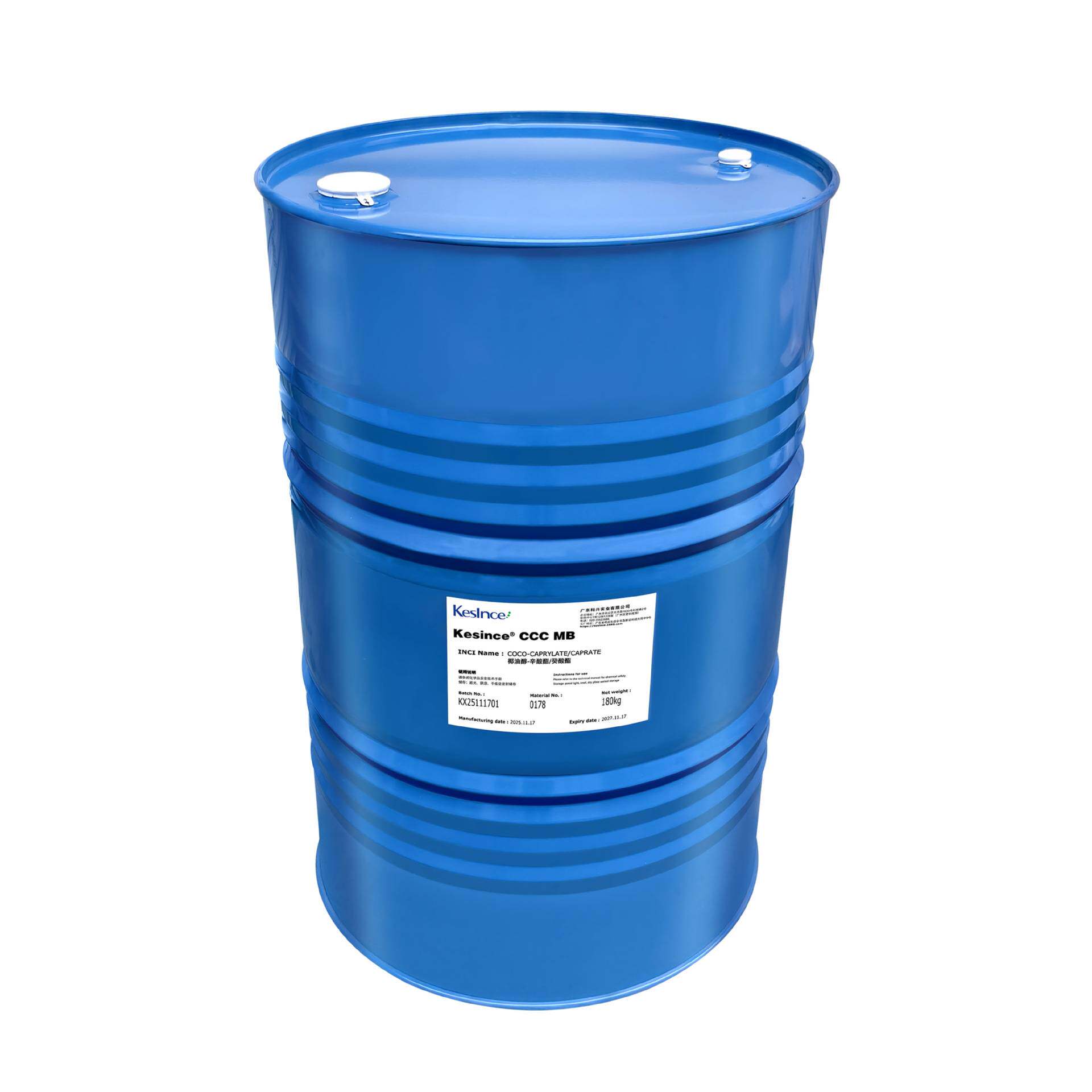
Coco-Caprylate/Caprate (CCC) | Compare to Cetiol® LC & Cetiol® C5 or Kesince CCC MB
Quick Specs:
-
INCI Name: Coco-Caprylate/Caprate
-
CAS Number: 95912-86-0
-
Appearance: Clear, colorless, ultra-low viscosity liquid
-
Odor: Odorless
-
Recommended pH Range: N/A (Anhydrous lipid; stable in emulsions across a broad pH range of 3.0 – 8.0)
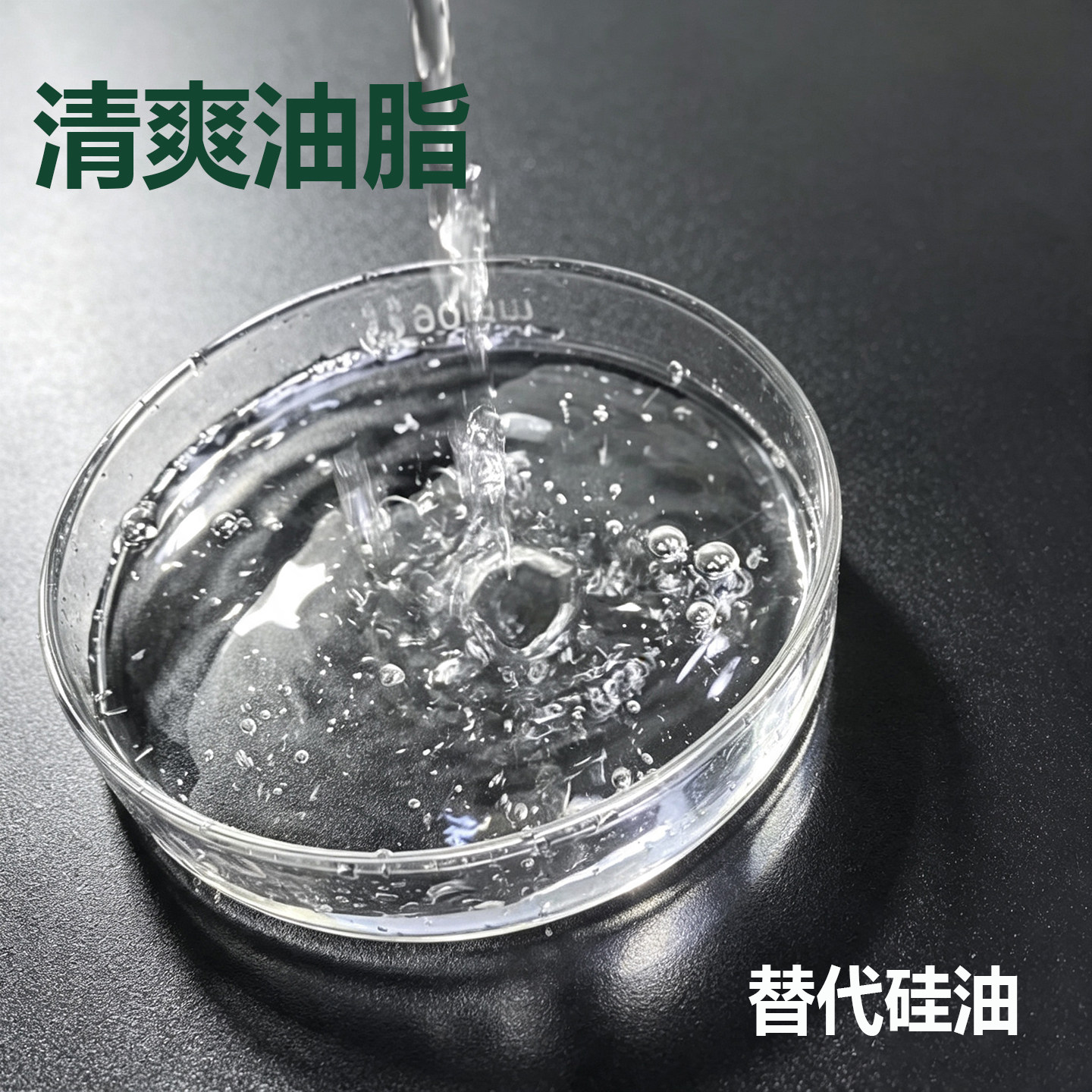
Executive Summary: Coco-Caprylate/Caprate (CCC) is a fast-spreading, medium-polarity monoester synthesized via the esterification of coconut alcohol with fractionated caprylic and capric fatty acids. Unlike traditional triglyceride structures, this monoester completely lacks a heavy glycerin backbone, yielding an exceptionally low molecular weight and high volatility profile. Mechanistically, it functions as a highly efficient dry-touch emollient that reduces the surface tension of the lipid phase. This produces a rapid, powdery spreading cascade on the skin, delivering the characteristic slip and flash-off kinetics typically associated with synthetic cyclomethicones (such as D5 silicone oil) while maintaining a 100% plant-derived, biodegradable footprint.
For advanced R&D formulators, CCC is the structural backbone for silicone-free biomimetic lipid formulas and elegant barrier repair serums. When optimizing rheology and skin feel in liquid crystal emulsions utilizing emulsifiers like Montanov 202 or polymeric stabilizers like Sepinov EMT 10, CCC decisively cuts the greasy drag of heavier sterols, ceramides, or rich botanical lipids (such as Meadowfoam or Camellia oils). Its high spreadability also makes it a superior dispersant for rheology modifiers like fumed silica (气相二氧化硅) and structuring agents like Cera Bellina wax, allowing formulators to engineer ultra-light, matte-finish topical emulsions and sophisticated eye creams without the occlusive weight of traditional esters.
Formulation Guidelines:
-
Recommended Usage Rate: 2.0% – 15.0% in standard O/W or W/O emulsions; up to 50.0% in anhydrous systems, massage fluids, and dry oils.
-
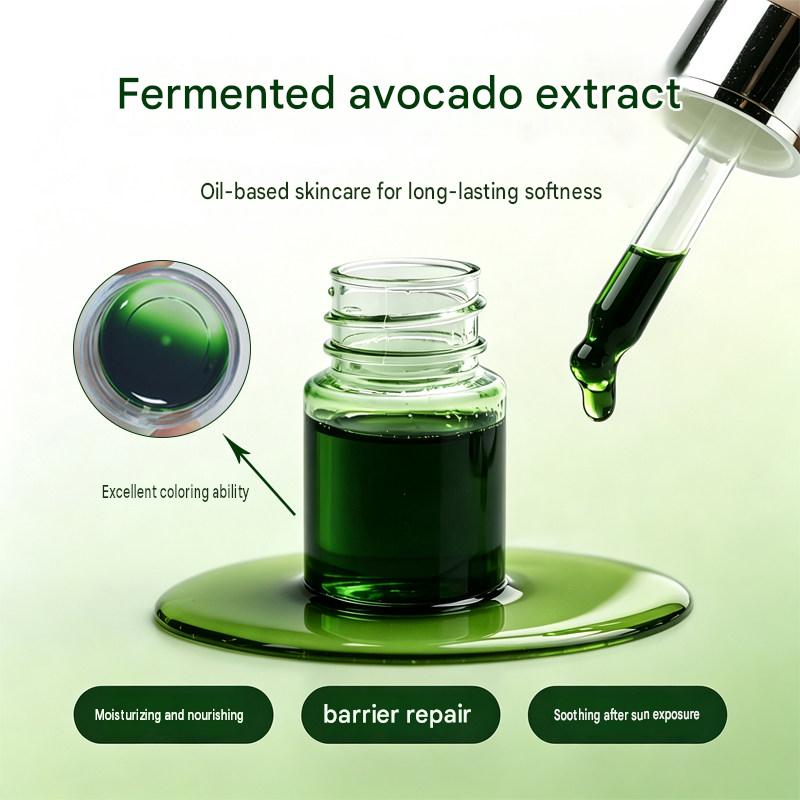
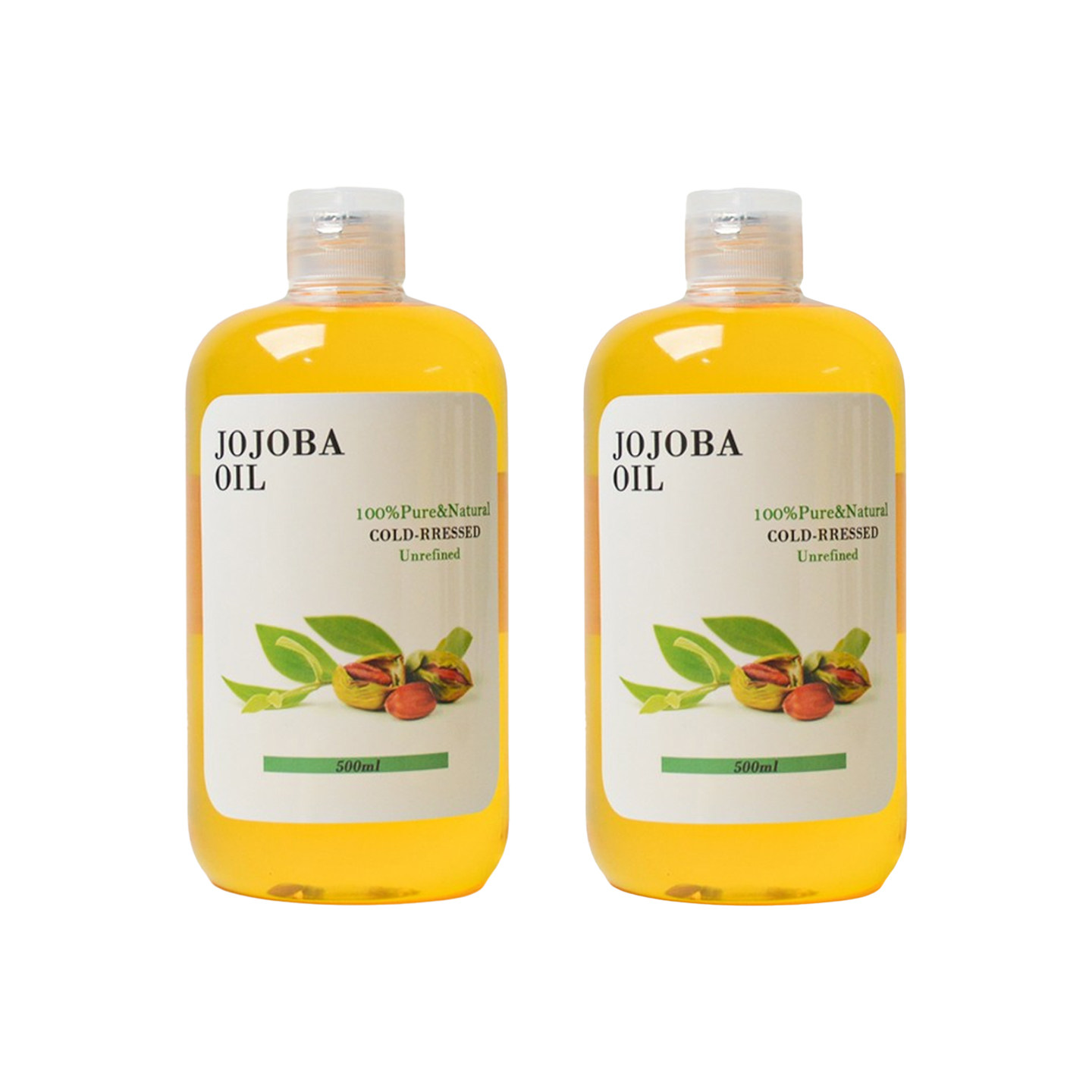
Solubility: Highly soluble in non-polar lipids, botanical oils (e.g., Jojoba, Squalane, Avocado), and volatile silicones; entirely insoluble in water.
-
Phase Integration: Add directly to the heated oil phase (up to 80°C – 85°C) alongside primary emulsifiers and synthetic beeswax, or incorporate directly into the lipid phase of cold-process formulations.
Primary Applications:
-
Silicone-free skin barrier repair serums and lightweight eye creams
-
Dry-touch body oils and non-greasy topical emulsions
-
Suncare formulations and UV-filter delivery systems (improves spreadability and eliminates tackiness)
-
Color cosmetics (enhances pigment dispersion and provides a powdery, matte finish)
-
Hair care serums requiring high volatility, slip, and zero lipid residue