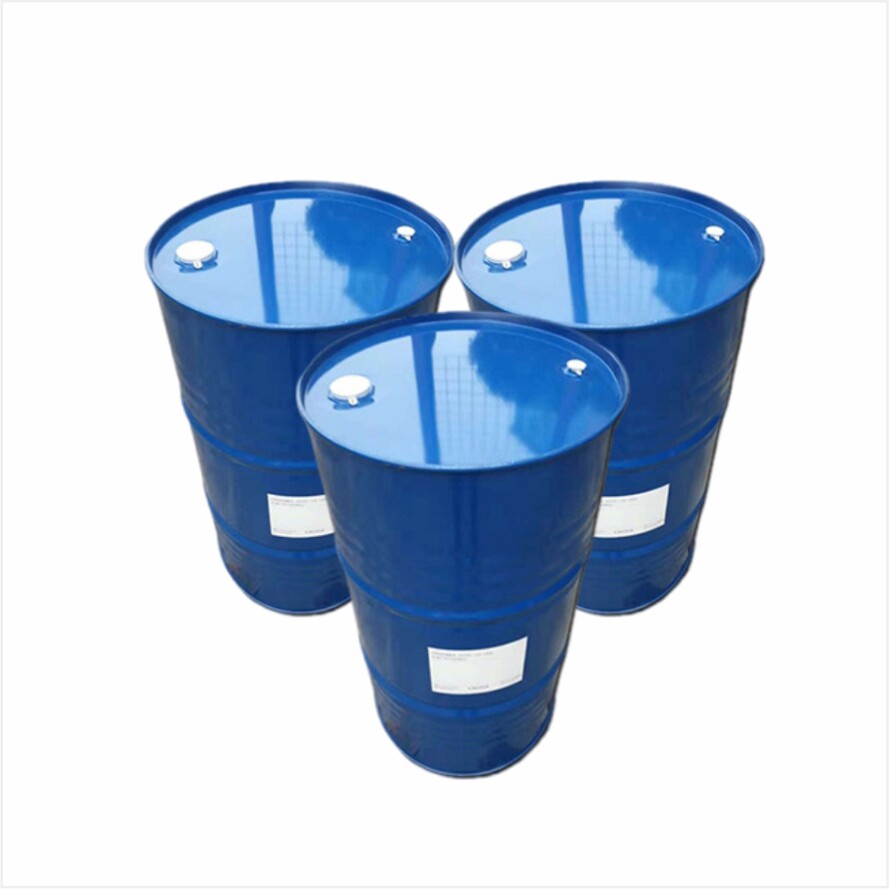
Caprylic/Capric Triglyceride (CCTG / GTCC) | Compare to Crodamol™ GTCC & Myritol® 318
Quick Specs:
-
INCI Name: Caprylic/Capric Triglyceride
-
CAS Number: 65381-09-1 / 73398-61-5
-
Appearance: Clear, colorless, low-viscosity liquid
-
Odor: Odorless
-
Recommended pH Range: N/A (Anhydrous lipid; stable across broad pH environments, typically 3.0 – 8.0 in emulsions)
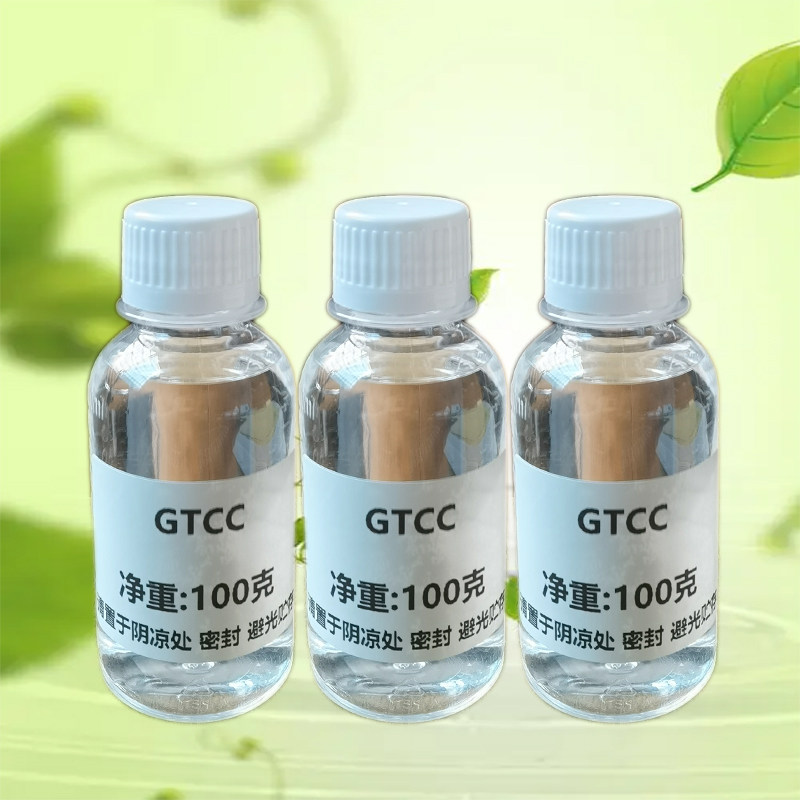
Executive Summary: Caprylic/Capric Triglyceride (CCTG) is a high-purity, fully saturated medium-chain triglyceride manufactured via the esterification of fractionated coconut/palm fatty acids with glycerin. Functioning as a high-polarity emollient, lipid replenisher, and solvent, it exhibits exceptional oxidative stability due to the complete absence of carbon-carbon double bonds. This structural stability prevents rancidity and lipid peroxidation, ensuring a prolonged shelf life for finished formulations while delivering a rapid, non-greasy absorption profile that mimics the skin’s natural lipid matrix.
For R&D formulators, CCTG is universally preferred over standard carrier oils and heavier mineral derivatives when engineering sophisticated delivery systems or biomimetic barrier repair emulsions. Its low molecular weight and high spreadability make it an optimal dispersing agent for inorganic pigments and a powerful solubilizer for lipophilic active ingredients, crystalline UV filters, and botanical extracts. Because it lacks the comedogenic potential and heavy sensory profile of unfractionated triglycerides, it provides an elegant, volatile-like slip without the need for volatile silicones.
Formulation Guidelines:
-
Recommended Usage Rate: 1.0% – 100% (typically 2.0% – 15.0% in standard O/W or W/O emulsions; up to 100% in anhydrous serums and massage oils).
-
Solubility: Soluble in botanical oils, silicones, and non-polar esters; completely insoluble in water.
-
Phase Integration: Add directly to the oil phase. CCTG is highly heat-tolerant and can be safely processed in heated oil phases (70°C – 85°C) alongside high-melting-point waxes and emulsifiers, or incorporated into cold-process formulations.
Primary Applications:
-
Skin barrier repair emulsions, facial moisturizers, and eye creams
-
Anhydrous facial oils, cleansing oils, and lip care
-
Suncare formulations (excellent solubilizer for organic UV filters)
-
Color cosmetics (highly effective wetting agent for inorganic pigment dispersion)
-
Topical delivery systems for lipophilic active ingredients (e.g., Retinol, Vitamin C derivatives, Ceramides)
Industry Nomenclature & Chemical Synonyms
Procurement officers and formulation chemists often reference this lipid matrix using varying chemical taxonomies. SKIN001’s Caprylic/Capric Triglyceride serves as an exact molecular match for the following chemical designations and acronyms:
-
CCTG: Caprylic/Capric Triglyceride (Standard Industry Acronym)
-
GTCC: Glycerol Tricaprylate/Caprate (IUPAC structural acronym)
-
Octanoic/Decanoic Acid Triglyceride: The strict chemical structural name denoting the C8 (Octanoic) and C10 (Decanoic) fatty acid chains attached to the glycerin backbone.
-
Cosmetic-Grade MCT (Medium Chain Triglycerides): While dietary MCT oil contains unrefined fractions, our cosmetic-grade CCTG is highly fractionated and deodorized to remove C6 (Caproic) and C12 (Lauric) acids, eliminating off-odors and comedogenic weight.
-
Mixed Decanoyl and Octanoyl Glycerides: Alternative regulatory INCI nomenclature used in specific global markets.
Commercial Equivalencies & Trade Name Replacements
Our high-purity CCTG is engineered as a direct, 1:1 drop-in replacement for the industry’s most common proprietary trade names. Formulators seeking supply chain redundancy or cost-optimization can seamlessly substitute SKIN001’s CCTG for:
-
Myritol® 318 (BASF): Structurally identical emollient profile; matched sensory characteristics.
-
Crodamol™ GTCC (Croda): Identical spreadability and active solubilization metrics.
-
Tegosoft™ CT (Evonik): Equivalent oxidative stability and non-polar lipid integration.
-
Miglyol® 810 & Miglyol® 812 (IOI Oleo GmbH): Matches the specific C8/C10 fraction ratios used in advanced dermal delivery and dermo-cosmetics.
-
Captex® 300 (Abitec): Exact parallel for lipophilic API (Active Pharmaceutical Ingredient) dispersion.
-
Liponate™ GC (Vantage): Functionally indistinguishable in W/O and O/W emulsion rheology.
Sourcing Variations & Procurement Specifications
Depending on your brand’s regulatory and sustainability requirements, SKIN001 offers this base ingredient in distinct supply-chain variations:
-
RSPO Mass Balance (MB) CCTG: Sourced from sustainable palm kernel oil, fully certified for RSPO-compliant cosmetic manufacturing.
-
100% Palm-Free CCTG (Coconut-Derived): Synthesized exclusively from fractionated coconut oil for brands adhering to strict zero-palm-oil mandates.
-
Custom C8/C10 Ratios: Standard grades offer a traditional 60:40 split (Caprylic to Capric). Custom fraction ratios are available for labs requiring modified viscosity or altered skin-feel kinetics.
Technical Comparison: CCTG vs. CCC (Cross-Search Clarification)
(Note for R&D: Formulators frequently search for CCTG when formulating silicone-free systems. It is crucial to distinguish it from similar-sounding monoesters). While CCTG (Caprylic/Capric Triglyceride) provides a medium-weight, cushioning emollience mimicking the skin’s lipid barrier, it should not be confused with CCC (Coco-Caprylate/Caprate). If your formulation requires a volatile, cyclomethicone-like slip rather than a triglyceride lipid base, CCC is the appropriate monoester alternative. SKIN001 supplies both raw materials for precision formulation.
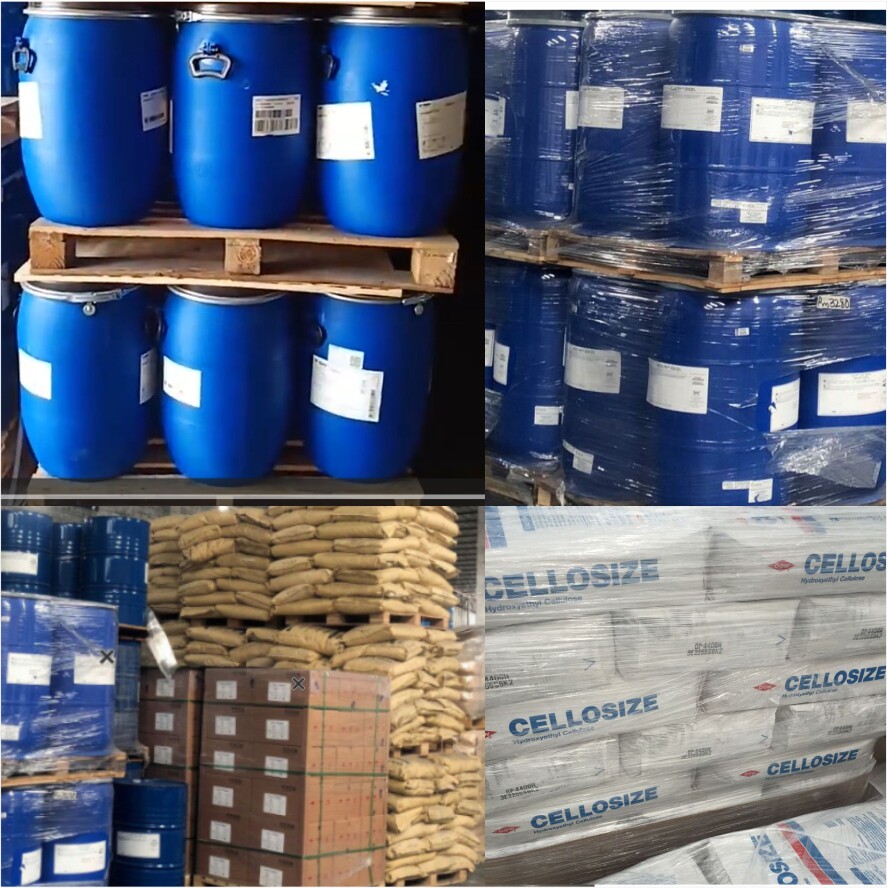
Require regulatory documentation? Contact the SKIN001 technical desk to request a COA (Certificate of Analysis), MSDS, and specific C8/C10 fraction breakdowns for your batch. Bulk drum and tote pricing available upon lab qualification.