MCT Oil – Ultra-Light Grade (INCI: Caprylic/Capric Triglyceride) | Compare to Miglyol® 810 & Captex® 300
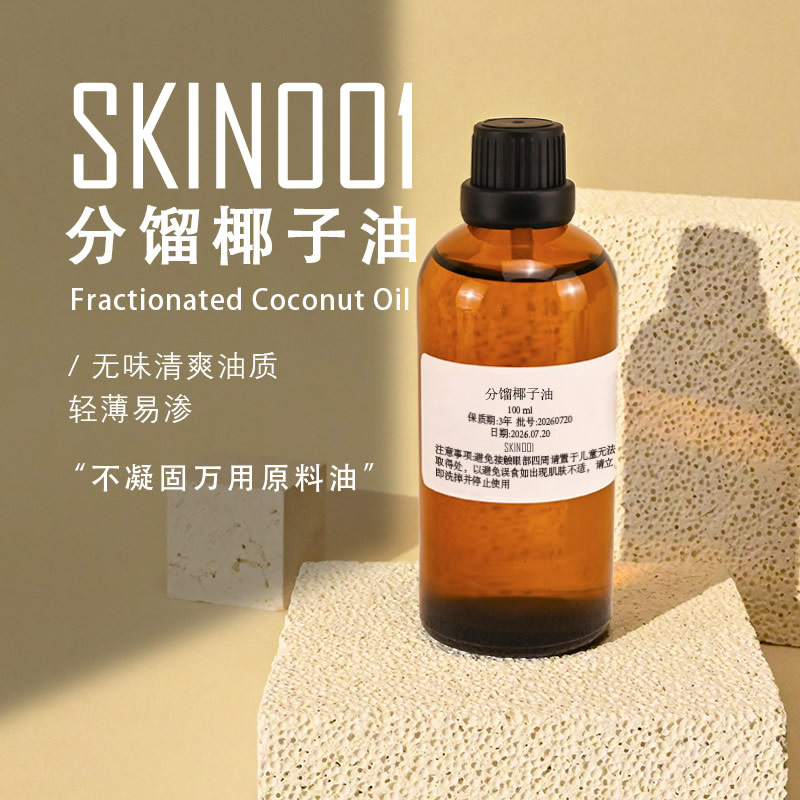
Quick Specs:
-
INCI Name: Caprylic/Capric Triglyceride (High C8 Fraction)
-
CAS Number: 73398-61-5 / 65381-09-1
-
Appearance: Water-thin, completely clear liquid
-
Odor: Odorless
-
Recommended pH Range: N/A (Anhydrous lipid; completely stable across broad pH environments)
Executive Summary: SKIN001’s Ultra-Light MCT Oil is an aggressively fractionated, high-efficiency solvent engineered specifically for a weightless sensory profile. By isolating the shortest carbon-chain lengths (predominantly C8 Caprylic acid), this highly polar lipid matrix acts as a rapid-absorbing, dry-touch carrier. It provides immediate, volatile-like slip on the skin, circumventing the thick, cushiony drag associated with standard GTCC variants, all while maintaining absolute oxidative stability and preventing lipid peroxidation.
For R&D formulators, this grade of MCT is the definitive choice for solubilizing recalcitrant lipophilic actives—such as Ceramide NP, Ferulic Acid, Bisabolol, and Stearyl Glycyrrhetinate—without compromising a formulation’s ultra-light rheology. Furthermore, its exceptionally low viscosity makes it an unparalleled wetting agent for the flawless dispersion of fine particulates and rheology modifiers, like ultra-nano pearl powder, synthetic mica, and fumed silica. It ensures uniform distribution in weightless serums, sprayable milks, and non-greasy delivery systems.
Formulation Guidelines:
-
Recommended Usage Rate: 1.0% – 50.0% in standard emulsions; up to 100% in anhydrous delivery systems and botanical extractions.
-
Solubility: Soluble in non-polar esters, volatile silicones, and botanical lipids (e.g., Jojoba, Camellia, or Meadowfoam Seed oils); completely insoluble in water.
-
Phase Integration: Add to the cold-process lipid phase or the heated oil phase. Highly heat-tolerant; can be sustained at 80°C – 85°C during the active solubilization of high-melting-point lipids or sterols.
Primary Applications:
-
High-efficiency solvent systems for lipophilic active ingredients and barrier repair compounds.
-
Weightless serums and ultra-light fluid emulsions (ideal for pairing with cold-process polymeric emulsifiers like Sepinov EMT 10).
-
Dry-touch facial oils and non-comedogenic botanical lipid blends.
-
Wetting agent for the uniform dispersion of inorganic pigments and particulates.
-
Sprayable formulations and low-viscosity mistable milks.
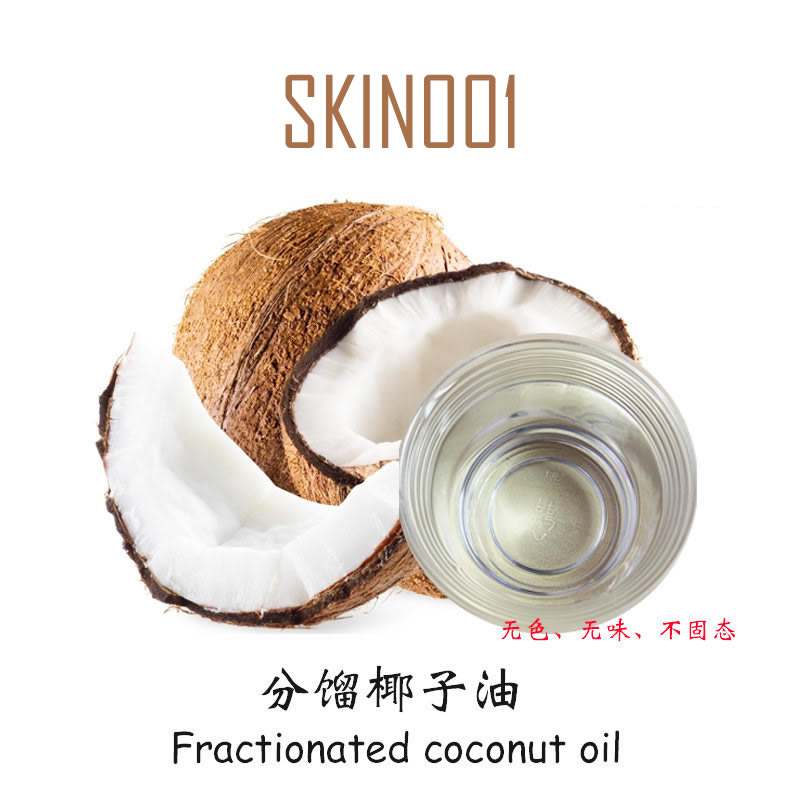
The MCT Advantage in Skincare
-
The formula leverages exceptionally small, medium-chain fatty acid molecules that rapidly penetrate deep into the skin’s stratum corneum.
-
Because of this fast-absorbing structure, it prevents a greasy shine from forming on the surface, delivering a fresh, entirely new sensory experience.
-
These medium-chain molecules effectively lock in moisture for prolonged, long-lasting hydration.
-
The oil provides a cooling and stabilizing effect for skin suffering from burning sensations, redness, swelling, or sensitive irritation, making it highly suitable for post-sun exposure.
-
It is rich in antioxidants that prevent free radical damage, which helps reduce the occurrence of wrinkles and dry, cracked skin.
MCT Metabolic & Digestive Efficiency
-
As an oil composed of medium-chain fatty acids, it naturally improves the body’s metabolic efficiency.
-
During internal digestion, the body’s absorption of this oil is outstanding because it does not require bile or fat-dissolving enzymes to process it.
-
This specific mechanism makes it an ideal, high-efficiency dietary oil for individuals with gastrointestinal weakness or fat conversion disorders.
-
Recognized for its high nutritional and medicinal value, it has been consumed for over 2,000 years in tropical regions, historically referred to as the “oil of life” and a “pharmacy in a bottle”.
Sourcing & Physical Specifications
-
The raw material is sourced from Thailand, extracted from the fruit via an unrefined, first cold-pressing method to retain its original components.
-
Because it is cold-pressed rather than fully fractionated, it maintains a melting point of 24°C; it presents as a water-clear liquid when warm but solidifies into a white, lard-like fat.
-
Supplied in a 100ml specification, it boasts a shelf life of at least two years.
-
While it will not degrade upon contact with air, the manufacturer dictates that it must be refrigerated after opening.