November 2026

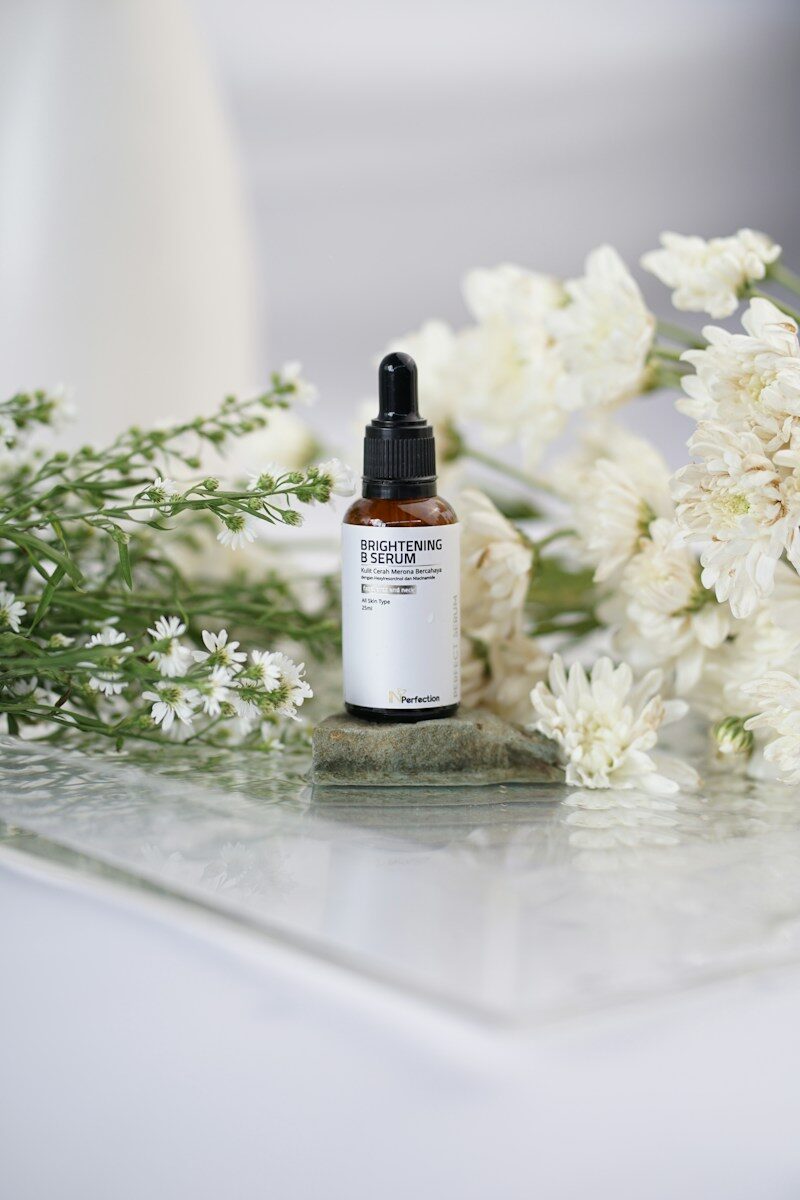
Azelaic acid benefits skin serum clinical skincare

Azelaic Acid, Explained: Pigment Appearance, Breakout Appearance and Tolerance in One Molecule

The Clinical Hook Most skincare acids ask you to choose: brightening or breakout care, potency or tolerance. Azelaic acid refuses the trade-off, and that is why it keeps appearing in routines built for skin that is both uneven-toned and reactive. The azelaic acid benefits skin in three directions at once — it addresses the appearance

Azelaic Acid, Explained: Pigment Appearance, Breakout Appearance and Tolerance in One Molecule Read More »

Skin elasticity loss causes anti-aging clinical skincare

Skin Elasticity Loss Causes: Collagen Appearance, Elastin and the Barrier That Holds Them

The Clinical Hook Skin that used to spring back now takes a moment longer to settle, and the change is easy to miss until a photograph makes it obvious. The jawline looks softer, the cheeks sit a fraction lower, and a pinch of skin on the back of the hand flattens more slowly than it

Skin Elasticity Loss Causes: Collagen Appearance, Elastin and the Barrier That Holds Them Read More »

Lip barrier dry lips care clinical skincare

The Lip Barrier, Explained: Why Lips Dry, Crack and Peel Differently From Facial Skin

The Clinical Hook Dry lips do not behave like dry facial skin, and treating them the same way is why so many lip balms feel like a short-term fix. A face cream that restores comfort to the cheeks can leave the lips peeling again within the hour, and a lip product that feels soothing on

The Lip Barrier, Explained: Why Lips Dry, Crack and Peel Differently From Facial Skin Read More »

Bio-identical lipids barrier support clinical skincare

Lipid21 and Bio-Identical Lipids: A Barrier-Support Drop, Explained Scientifically

The Clinical Hook Bio-identical lipids are one of the most persuasive phrases in modern skincare — and one of the least examined. A lipid that is “bio-identical” is, by definition, a lipid whose structure matches a lipid the skin itself makes. The claim sounds simple, but it carries a real question underneath it: does matching

Lipid21 and Bio-Identical Lipids: A Barrier-Support Drop, Explained Scientifically Read More »

Chemical vs mineral sunscreen filters clinical skincare

UV Filters, Explained: How Chemical and Mineral Filters Differ on Skin

The Clinical Hook The chemical vs mineral sunscreen question is the most common question in sun care, and the most commonly answered badly. One label says “chemical filters,” another says “100% mineral,” and the reader is left to guess which one belongs on their skin. The distinction is real, but it is a distinction of

UV Filters, Explained: How Chemical and Mineral Filters Differ on Skin Read More »

Peptides for skin signal carrier neurotransmitter clinical skincare

Signal, Carrier and Neurotransmitter Peptides: What Each Peptide Family Can and Cannot Claim

The Clinical Hook Peptides for skin are among the most searched cosmetic ingredients of the decade, and among the most misunderstood. A single word on a label — “peptides” — is used to sell serums promising firmer-looking skin, softer expression lines and a visibly renewed surface, as if every peptide did the same job. It

Signal, Carrier and Neurotransmitter Peptides: What Each Peptide Family Can and Cannot Claim Read More »

Niacinamide benefits vitamin B3 serum clinical skincare

Niacinamide, Tolerated: What Vitamin B3 Can and Cannot Do for Tone Appearance

The Clinical Hook Few cosmetic ingredients have earned as much trust, and as many inflated promises, as niacinamide. It appears in serums, moisturisers, toners and cleansers, recommended for almost everything: uneven tone, visible pores, oiliness, redness appearance, barrier weakness. The niacinamide benefits that are real are genuinely broad, which is exactly why the ingredient needs

Niacinamide, Tolerated: What Vitamin B3 Can and Cannot Do for Tone Appearance Read More »

Winter dry skin barrier cold weather clinical skincare

Winter Skin, Explained: Cold Air, Indoor Heat and the Barrier You Lose Between Them

The Clinical Hook Winter skin does not fail in one place. It fails twice a day, in opposite conditions, and that is why a routine that works in summer so often stops working in November. Outside, cold air and wind strip surface lipids and leave the stratum corneum stiff and rough-feeling. Inside, heated air with

Winter Skin, Explained: Cold Air, Indoor Heat and the Barrier You Lose Between Them Read More »

Squalane skincare benefits oil texture clinical skincare

Squalane, Olive Squalane and Hemisqualane: One Lipid, Three Sources, One Barrier Job

The Clinical Hook Squalane appears on more labels every year, and so do its close relatives — olive squalane and hemisqualane — which leaves a reasonable reader asking a reasonable question: are these three different ingredients, or one ingredient sold three ways? The squalane skincare benefits most often claimed for them — softer-feeling skin, a

Squalane, Olive Squalane and Hemisqualane: One Lipid, Three Sources, One Barrier Job Read More »

Hands and cuticles care with hand cream clinical skincare

Hands and Cuticles: The Skin Barrier You Wash Away Every Day

The Clinical Hook Hands and cuticles live a harder life than almost any other skin on the body, and they show it first. The face gets sunscreen, serum, and careful attention. The hands get soap, hot water, dish detergent, sanitiser, and cold air — dozens of times a day, every day, with no recovery interval

Hands and Cuticles: The Skin Barrier You Wash Away Every Day Read More »