The Clinical Hook
Every moisturiser promises hydration, yet skin can still feel dry an hour after application. The reason is rarely a lack of water: it is that the water leaves. The stratum corneum loses water to the air all day, every day, and no humectant can hold water that has already escaped. That is the job a moisture-sealing topcoat exists to do — and the job ZSerum™ was formulated around. The ZSerum moisture sealing TEWL story is not about adding more water to skin. It is about slowing the leak, so the hydration steps before it have something left to protect.
Clinical TL;DR
- Transepidermal water loss (TEWL) is the constant, invisible evaporation of water through the stratum corneum; it peaks overnight and rises whenever the barrier is stressed.
- Hydration has three separate mechanisms: humectants attract water, emollients smooth the surface, and occlusives seal water in. Only occlusives slow TEWL directly.
- A topcoat is an occlusive-rich final step. It adds no water itself; it reduces the rate at which water leaves, which is why it must come last.
- Four occlusive families carry the cosmetic evidence: petrolatum, silicones, plant butters and waxes, and squalane — each with a different feel, weight and best use.
- Sealing is not always helpful: over-sealing in humid conditions, or sealing over an unwashed or irritated surface, can trap residue and invite breakouts.
- ZSerum™ is Skin001’s applied example of the topcoat principle: a moisture-sealing layer designed to sit over humectant and lipid steps, not to replace them.
What a Moisture-Sealing Topcoat Actually Does
A topcoat is the final layer of a routine, and its function is narrower than most marketing suggests. It does not hydrate. It does not repair the barrier by itself. It does one thing: it forms a thin, semi-permeable film over the stratum corneum that slows the passage of water vapour from skin to air. The film is not a plastic wrap. Skin continues to breathe, in the limited sense that water vapour still passes, only more slowly; a well-designed occlusive layer reduces water loss by a substantial fraction rather than stopping it, and that reduction is the entire point.
The distinction matters because it decides where a topcoat belongs in a routine. Water-attracting ingredients must be applied first, while the skin is still slightly damp, so that there is water to hold. Barrier lipids come next, filling the gaps between corneocytes. The topcoat comes last, sealing both in. Applied in the wrong order — a topcoat under a water-based serum — the film blocks the serum from reaching the skin at all.
The visible effect is subtle: skin that still feels supple in the morning, and a surface that looks less dull by evening. A dehydrated stratum corneum is microscopically rough and scatters light; a sealed, hydrated surface reflects it more evenly, which the eye reads as glow.
TEWL: The Leak a Topcoat Is Built to Slow
The leak itself is transepidermal water loss, the passive diffusion of water from the water-rich lower epidermis through the stratum corneum and out into the air. It happens in healthy skin all the time; a certain baseline rate is normal and even necessary, since the outward movement of water is part of how the stratum corneum stays flexible. The problem begins when the rate rises above baseline — after cleansing with a harsh surfactant, after over-exfoliation, in cold dry air, in heated indoor air, or whenever the lipid matrix between corneocytes is depleted.
The barrier’s resistance to that leak comes from its structure: corneocytes, the flattened dead cells, packed in a mortar of ceramides, cholesterol and free fatty acids. When that mortar is intact and well ordered, water diffuses slowly. When it is oxidised, depleted or disorganised — by pollution, by over-cleansing, by age-related lipid decline — water escapes faster, and the skin feels tight, looks dull and becomes more reactive, because a leaky barrier also admits more irritants from the outside.
TEWL also has a daily rhythm. It rises in the evening and peaks overnight, which is why skin often feels driest on waking and why the evening routine carries more weight than the morning one. A topcoat is most valuable as an evening step: it is applied precisely when the leak is fastest, and it works through the eight hours when the skin is doing its quietest repair.
Three Ways to Hold Water: Humectants, Emollients and Occlusives
Moisturisation is three mechanisms wearing one name, and confusing them is the most common reason routines underperform.
Humectants attract water. Glycerin, hyaluronic acid and urea are the familiar examples: they bind water from the environment and from deeper skin layers and hold it in the stratum corneum. They are excellent at increasing the water content of the surface — and useless at keeping it there. In very dry air, a humectant applied alone can even draw water out of the skin faster than it draws it in, which is why a humectant serum on bare skin in winter can leave the face feeling tighter, not softer.
Emollients smooth the surface. Squalane, plant oils and the skin’s own sebum fill the microscopic gaps between corneocytes, improving feel and supporting the lipid matrix — but they reduce water loss only partially, forming no continuous sealing film.
Occlusives seal. Petrolatum, silicones, waxes and heavy plant butters form a continuous layer over the surface that physically slows water vapour. They are the only one of the three mechanisms that acts directly on the rate of TEWL, and they are also the only one that does nothing on its own: an occlusive applied to dry, unhydrated skin seals in dryness. The three mechanisms are a sequence, not a choice — humectant, then emollient, then occlusive — and the topcoat is the final step of that sequence, not a substitute for the first two.
The Skin Concern It Addresses: Dehydration, Not Dryness
The distinction between dehydration and dryness decides whether a topcoat is the right answer. Dehydration is a lack of water: skin that feels tight, looks dull, and shows fine dehydration lines that vanish with proper hydration. Dryness is a lack of oil: skin that feels rough and flaky because the lipid matrix is depleted. A topcoat addresses dehydration directly, by keeping water in, and dryness indirectly, by protecting the lipids that are rebuilding. Skin that is oily but dehydrated benefits from a light topcoat even though it needs no more oil, because the problem is water escaping, not oil missing. Skin that is dry and flaky needs the lipid step first; sealing over a lipid-depleted surface does nothing for the roughness.
ZSerum, Moisture Sealing and TEWL: The Occlusives, Evaluated
Four occlusive families dominate cosmetic formulation, and each earns its place for a different reason. A spotlight on a topcoat should evaluate them honestly, because the choice of occlusive decides the feel, the weight and the skin types a topcoat suits.
Petrolatum
Petrolatum is the most effective occlusive in cosmetic science, reducing transepidermal water loss more than any other single ingredient at cosmetic use levels. Refined cosmetic-grade petrolatum is a purified mixture of hydrocarbons, chemically inert, non-comedogenic in the evidence base despite its reputation, and used in clinical barrier care for decades. Its limitation is feel: it is heavy, glossy and unmistakable, which is why it suits targeted use — a thin layer over the driest areas, or an overnight treatment — better than a full-face daytime step.
Silicones
Silicones such as dimethicone form a breathable, silky film that slows water loss while feeling weightless — the reason modern topcoats can feel like nothing at all. Their sealing power per unit weight is lower than petrolatum’s, so they suit daily, full-face use and humid climates, where a heavy seal would feel suffocating. The honest caveat is that silicones wash off easily and offer little barrier repair of their own — they are a seal, not a treatment, and they depend on the humectant and lipid steps underneath to have done their work.
Plant Butters and Waxes
Shea butter, cocoa butter and plant waxes such as candelilla are emollient and occlusive at once, softening the surface while forming a sealing layer, and carrying their own fatty acids into the lipid matrix. Their feel is richer than silicones and lighter than petrolatum — the middle ground for normal to dry skin. Their limitation is variability: natural butters differ in composition between batches, and they can feel heavy in warm weather or on oil-prone skin.
Squalane
Squalane is the lightest of the four and the closest to the skin’s own chemistry: the stable, hydrogenated form of squalene, the single most abundant lipid in human sebum. It is an emollient first and a mild occlusive second — it smooths and supports the barrier while slowing water loss modestly, rather than sealing aggressively. That makes it the occlusive of choice for oily, combination and reactive-feeling skin, and for daytime use under make-up. Its limitation is the mirror of its strength: on very dry, lipid-depleted skin in winter, squalane alone does not seal enough, and it needs a heavier partner to hold water through the night.
There is no single best occlusive, only a best match for a climate, a skin type and a time of day. A well-designed topcoat blends them: a light, skin-identical base for feel, a mid-weight butter or wax for substance, and a small proportion of a strong sealer for performance.
When Sealing Helps — and When It Traps Trouble
Sealing is not universally beneficial, and the exceptions are as instructive as the rule. In hot, humid conditions, the air already supplies water and the skin’s own TEWL is low; a heavy topcoat there adds weight and shine without adding benefit, and it can trap sweat and sebum against the surface. In that climate, the lightest possible seal — a squalane-based layer, or none at all — is the correct choice, and the humectant step does most of the work.
Sealing over a surface that has not been cleansed is the second error. A topcoat seals in whatever is beneath it, and if that includes the day’s particulate residue, sebum-bound pollution and sunscreen remnants, the seal holds them against the skin overnight. The evening cleanse is therefore a precondition for the evening topcoat — the wash-off step the pollution post mapped is what makes sealing safe. The same logic applies to irritated or freshly exfoliated skin: when skin is reactive, the reset comes first and the seal comes second.
The third caution concerns breakouts. Occlusives do not cause acne by themselves — the evidence for comedogenicity is ingredient-specific and often overstated — but a heavy seal over congested, unexfoliated skin can worsen the appearance of congestion by keeping sebum and dead cells in contact with the follicle for longer. The answer is to match the seal’s weight to the skin: lighter occlusives, thinner layers, and a regular, gentle exfoliation rhythm that keeps the follicles clear.
Prosumer Application: Layering a Topcoat the Skintellectual Way
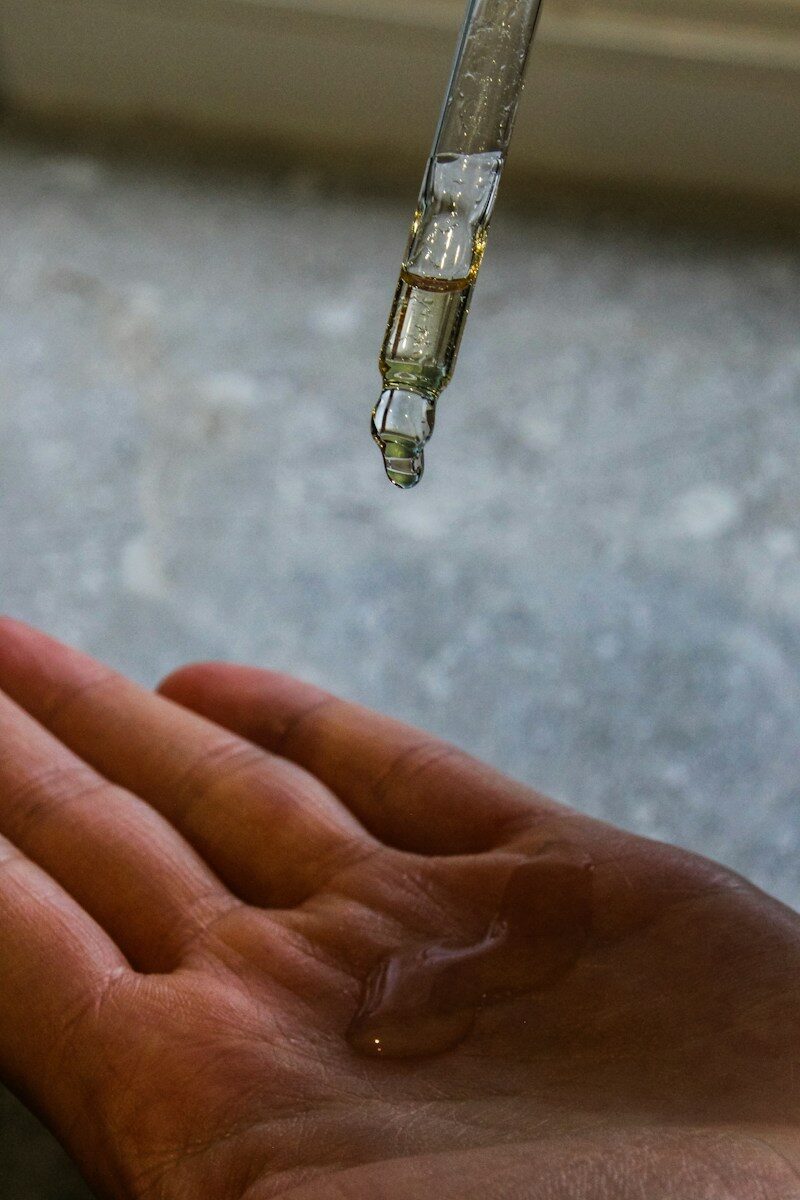
A workable evening routine with a topcoat has four steps, in order. First, cleanse thoroughly — the wash-off step that removes the day’s residue so the seal has a clean surface to protect. Second, apply a humectant to slightly damp skin: a glycerin or hyaluronic acid serum, given a minute to settle. Third, apply the lipid step: a ceramide-rich cream, or a few drops of a lipid oil, to fill the gaps in the barrier matrix. The ceramide alphabet post mapped that matrix in detail, and it is the step that makes the seal worth having. Fourth, the topcoat: a thin, even layer over the whole face, or concentrated on the driest areas — cheeks, the eye area, the lips — if a full-face seal feels too heavy.
Within Skin001’s formulation framework, this is the role of ZSerum™: a moisture-sealing topcoat designed as the final step of that sequence, blending the occlusive families above so the seal is effective without feeling heavy. It is not a humectant and not a barrier-lipid treatment — it is the layer that protects the work of the humectant and lipid steps, and it is most valuable on the evenings when the barrier has the most to recover: after a day in cold or dry air, after a long flight, or in the winter months when indoor heat raises overnight water loss. A pea-sized layer, warmed between the palms and pressed rather than rubbed, covers the face without leaving a visible film.
Two practical rules complete the application. Introduce a topcoat the way any new step is introduced: one change at a time, a patch test first, and a few nights of observation before judging it, because the benefit appears as skin that still feels supple on waking rather than as an immediate visible change. And adjust the weight with the season: a fuller seal in winter and in dry climates, a lighter one — or a squalane-only layer — in summer and in humidity.
FAQ
Is a topcoat the same thing as a moisturiser?
No. A moisturiser is usually a blend of all three mechanisms — humectant, emollient and occlusive — in one product. A topcoat is a dedicated occlusive step, used after a moisturiser, to add sealing power the moisturiser alone does not provide. It earns its place when the skin still feels dry by morning.
Can I use a topcoat in the morning?
Yes, with a lighter hand. A thin layer under sunscreen and make-up helps in cold or dry weather, and silicones and squalane suit daytime use. A heavy petrolatum or butter layer in the morning can pill under sunscreen and look glossy, so reserve the fuller seal for the evening, when no one is watching and the leak is fastest.
Will sealing my skin stop it from breathing?
Skin does not breathe in the respiratory sense; the “breathing” concern is really about water vapour still being able to leave, and about sweat and sebum not being trapped. A well-designed occlusive layer is semi-permeable: it slows water vapour substantially without stopping it, and it is removed by the next cleanse. The risk is not suffocation but over-sealing in humidity, or sealing over an unwashed surface — both avoidable by matching the weight to the conditions.
The CTA
The ZSerum moisture sealing TEWL story ends where it began: with a leak, not a lack. Skin rarely runs out of water because too little was applied; it runs out because the water that was applied was allowed to leave. A humectant attracts it, a lipid step holds it in the matrix, and a topcoat slows its escape — three mechanisms, in order, each doing one job. To explore Skin001’s pure compound ingredients and bases — including the moisture-sealing ZSerum™ topcoat, the ceramide systems and the humectant bases discussed here — visit the Skin001 catalogue and build the routine your skin’s water loss actually demands.