The Clinical Hook
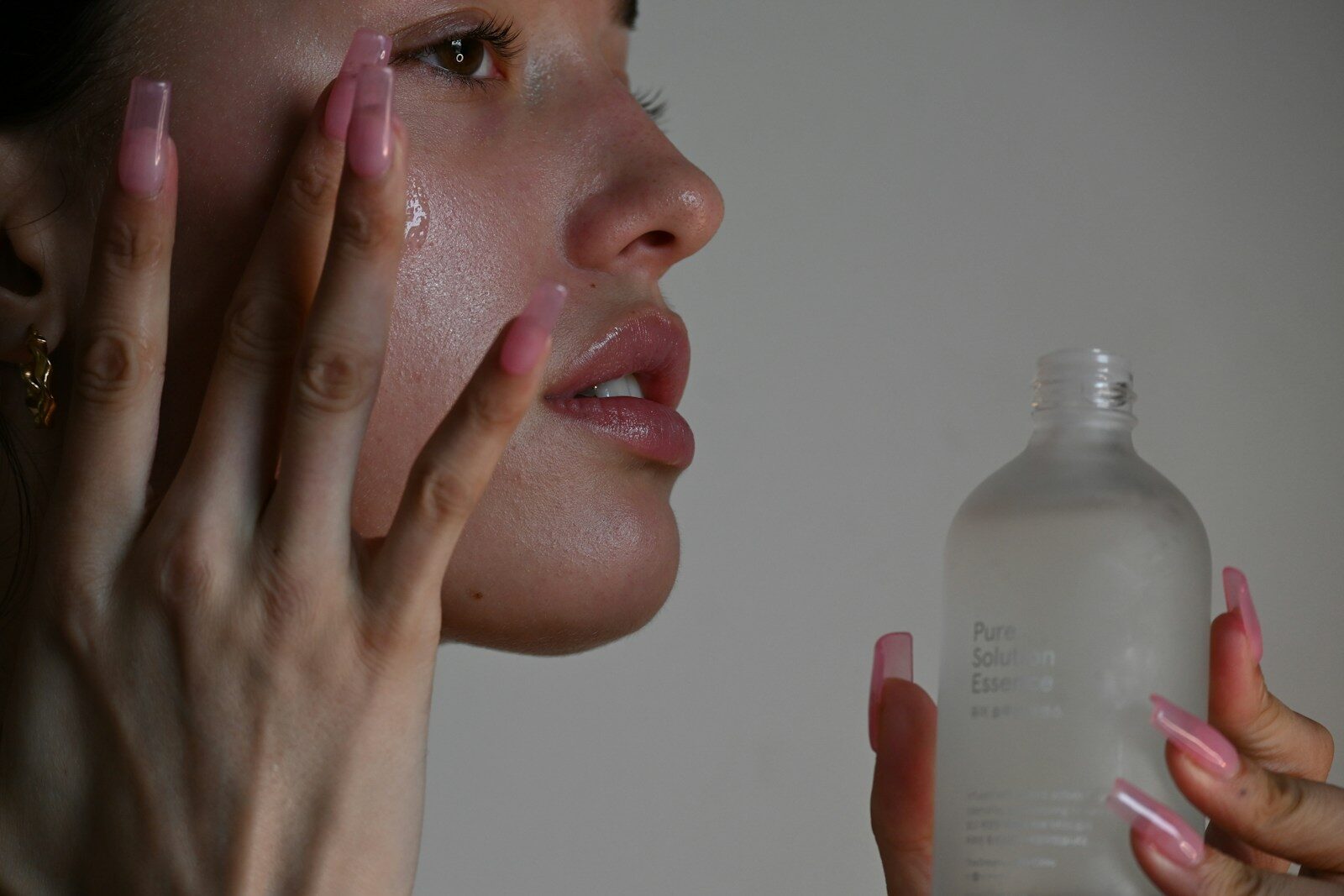
Sting on contact. A flush that appears within minutes of a new cream and lingers for an hour. A face that turns pink in a hot shower or after a glass of wine — or for no reason you can name. Reactive skin is one of the most common complaints in skincare — and one of the least precisely described. It is often treated as a skin type, something you are born with and must simply accept. The clinical picture is more useful: reactive sensitive skin causes are usually a state, not a type, and the most common driver is a barrier that has thinned enough to let irritants and temperature changes reach the living skin underneath. This article maps what reactive skin actually is, the acid mantle that guards it, the four pathways that make it flare, and the gentler routine that lets it settle.
Clinical TL;DR
- Reactive skin is a state of lowered tolerance, not a permanent skin type: the same person can be reactive in winter and calm in summer.
- The acid mantle — the skin surface’s mildly acidic film — is the barrier’s first line; when stripped, irritants penetrate faster and nerves fire more easily.
- Four pathways drive most reactivity: a thinned lipid barrier, an amplified nerve response, a visible vascular response, and a disrupted surface microbiome.
- The ingredients evaluated below — niacinamide, centella and madecassoside, panthenol and ceramides — each address a different pathway, and none of them works by adding a stronger active.
- The routine rule is subtraction first: fewer products, gentler washing, and one change at a time. Persistent, painful or spreading symptoms belong with a clinician, not a new serum.
What Reactive Skin Actually Is
Reactive skin has no single laboratory test. In cosmetic science it is described functionally: skin that stings, burns, flushes or itches in response to stimuli most skin tolerates — a new moisturiser, a temperature change, a glass of wine, a gust of cold wind. The label is slippery, because three different things are routinely confused under the same word.
The first is a barrier problem. The stratum corneum — dead cells held together by a lipid mortar of ceramides, cholesterol and free fatty acids — is the skin’s main defence. When that mortar thins, water escapes faster (transepidermal water loss) and irritants slip in more easily, and the nerves just below the surface receive signals they were never meant to receive. The skin reports them as sting or burn. This is the most common form of reactivity, and the most reversible.
The second is a nerve problem. The skin is richly supplied with sensory nerve endings, and some people’s are simply set to a lower threshold — a trait that runs in families and fluctuates with stress, sleep and hormonal shifts. These nerves respond to heat, cold, chemical stimuli and emotional stress, and once triggered they can release neuropeptides that widen blood vessels — flushing and burning that outlast the trigger.
The third is a vascular problem. The flush itself is blood: superficial vessels dilating and bringing warm blood close to the surface. Some skin shows this more readily because its vessels sit closer to the surface or dilate more easily — a tendency strongest on the cheeks and nose, the territory covered in the companion post on the botanical approach to calmer-looking skin through the herbal serum for redness.
These three overlap in real skin, which is why a single “sensitive skin” cream so often disappoints: it is aimed at one mechanism while the reader’s reactivity comes from another. Read the reaction first — sting on application, flush after heat, itch after a new product — and match the response to the pathway.
The Skin Concern It Addresses: Stinging and Flushing Appearance
The concern that brings most readers here is not a diagnosis but a feeling: skin that objects. Stinging is the barrier-and-nerve story — a product reaches living skin too fast and the nerves report it. Flushing appearance is the vascular story — vessels dilate and the face shows it. Both improve when the barrier is rebuilt and the trigger load is reduced; neither is a verdict on the skin itself.
The Acid Mantle: The Barrier’s First Line
The acid mantle is the skin surface’s mildly acidic film — a thin layer of sebum, sweat and the skin’s own breakdown products, sitting at a pH of roughly 4.5 to 5.5. It is invisible, but it is one of the barrier’s most important working parts, and one of the easiest to damage.
Its jobs are threefold. First, the enzymes that process ceramides work best in an acidic environment, and when surface pH rises they slow down — which is why an alkaline wash can leave skin feeling tight hours after rinsing. Second, the mantle discourages microbes that prefer a neutral or alkaline surface, helping the resident microbiome stay in balance. Third, it buffers the outside world — the layer that meets a new product before the living skin does.
The mantle is fragile because almost everything that touches the face can raise its pH. Strong alkaline cleansers are the classic culprit: a cleanser at pH 9 or 10 strips the film in a single wash, and the skin needs hours to restore it. Over-washing does the same damage cumulatively — the same daily stress described in the companion posts on water loss and on hands and cuticles. Hot water, harsh surfactants and frequent exfoliation all push in the same direction.
The mantle recovers on its own when the assault stops: skin re-acidifies over several hours after a gentle wash, and a barrier-first routine — a low-pH, low-surfactant cleanser, lukewarm water, no scrubbing — lets it stay where it belongs. The mantle is not something to buy back in a bottle; it is something to stop stripping.
Reactive Sensitive Skin Causes: Four Pathways Behind the Flare
Most reactivity traces to one of four pathways, each pointing to a different response.
The first is the thinned lipid barrier. When ceramides, cholesterol and free fatty acids are depleted — by over-washing, over-exfoliation, cold dry air or age — the mortar weakens, water escapes, irritants enter, and the skin stings at stimuli it once ignored. This is the pathway most responsive to barrier support.
The second is the amplified nerve response. Sensory nerves can become sensitised after repeated irritation, so a stimulus that once caused nothing now causes burning. This is why reactivity often appears after a single bad episode — a peel used too often, a retinoid introduced too quickly — and persists for weeks after the product is stopped. The nerves need time and quiet to reset.
The third is the vascular response. Flushing is blood vessels dilating, and the triggers are familiar: heat, alcohol, spicy food, embarrassment, exercise and sudden temperature change. The vessels are not damaged in ordinary reactivity; they are simply more visible and more easily triggered when the barrier above them is thin and the nerves beside them are sensitised. Reducing the trigger load cuts flush frequency more reliably than any single ingredient.
The fourth is the disrupted surface microbiome. The skin hosts a community of microbes that, in balance, help keep the surface calm and the barrier intact. Harsh cleansing and over-exfoliation can shift that balance, and a shifted microbiome is associated with more frequent itch and flushing appearance. The microbiome is not a target to sterilise; it is a community to stop disturbing.
These pathways reinforce each other, which is why the effective response is not one heroic ingredient but a quieter routine that addresses all four at once.
The Ingredients Evaluated Against Reactivity
Four ingredients cover the reactivity picture, each aimed at a different pathway.
Niacinamide is the barrier-pathway ingredient. Vitamin B3 supports the skin’s own ceramide production and has been studied in cosmetic literature as a contributor to barrier strength and to the appearance of calmer skin. The companion deep dive on niacinamide covers its tolerance profile in detail; in a reactive routine its role is the wall underneath the symptoms, so fewer triggers reach the nerves. Look for it in a leave-on serum at the concentration the product’s own label specifies, and introduce it alone, not bundled with three other new actives.
Centella and madecassoside are the calm-appearance botanicals. Centella asiatica and its isolated compound madecassoside appear in cosmetic literature as contributors to the appearance of soothed skin and to barrier support, and they are the botanical backbone of the herbal-serum approach to redness appearance. In a reactive routine they are the ingredient for the visible flush — the pinkness that follows a trigger — used in a simple serum or cream rather than a complex formula carrying its own irritants.
Panthenol is the comfort ingredient. Provitamin B5 is a humectant that converts to pantothenic acid in the skin and is associated in cosmetic use with the appearance of a softer, more comfortable surface. It does not treat the cause of reactivity; it makes the surface feel comfortable while the barrier work happens underneath. It is the ingredient for the tight, dry feeling in the minutes after washing — the window when reactive skin is most likely to sting.
Ceramides are the structural ingredient. Applied ceramides — NP, AP and EOP among them — supplement the lipid mortar directly, and the companion post on the barrier-lipid alphabet explains how to read them on a label. In a reactive routine they are the ingredient for the wall itself: a ceramide-containing moisturiser used morning and night rebuilds the seal that keeps triggers out. Consistency matters more than concentration; a plain ceramide cream used daily outperforms a sophisticated formula used sporadically.
One category is deliberately absent: the strong active. Retinoids, high-strength acids and vitamin C are valuable, but a reactive routine is not the place to introduce them — return to them after the barrier has settled, one at a time, at low strength.
What Makes Reactivity Worse
Reactivity is usually worsened by the very instincts it provokes. The first is over-exfoliation. Acids and scrubs promise smoother skin, and on a healthy barrier they can deliver it — but on a reactive barrier they remove corneocytes still doing their job, thinning the wall further and letting the next irritant in faster. The clinical rule is simple: if the skin stings, stop exfoliating entirely until it has been calm for at least two weeks.
The second is fragrance and essential oils. They are the most common cosmetic triggers for sting and itch, and they hide in products marketed as gentle — including “natural” formulas, where a botanical extract can be more irritating than the synthetic fragrance it replaced. A reactive routine should be fragrance-free, not merely unscented.
The third is heat and friction. Hot water, vigorous towel-drying and scrubbing with a cloth all strip lipids and stimulate nerves in the same motion. Lukewarm water, fingertips instead of cloths and patting dry are unglamorous changes that cost the barrier far less.
Prosumer Application: A Reset Routine for Reactive-Feeling Skin
Four rules carry a barrier-first routine for skin that is currently objecting.
First, subtract before you add. Remove the strongest actives, fragranced products and exfoliants, and live with a cleanser, a moisturiser and a sunscreen for two weeks. If the skin calms, the routine was the problem — and the answer was never a stronger product.
Second, wash lukewarm and gentle. Choose a low-surfactant, low-pH cleanser as the daily default, wash with fingertips, and let the acid mantle recover between washes. If the skin feels tight afterwards, the wash is too strong, whatever the label promises.
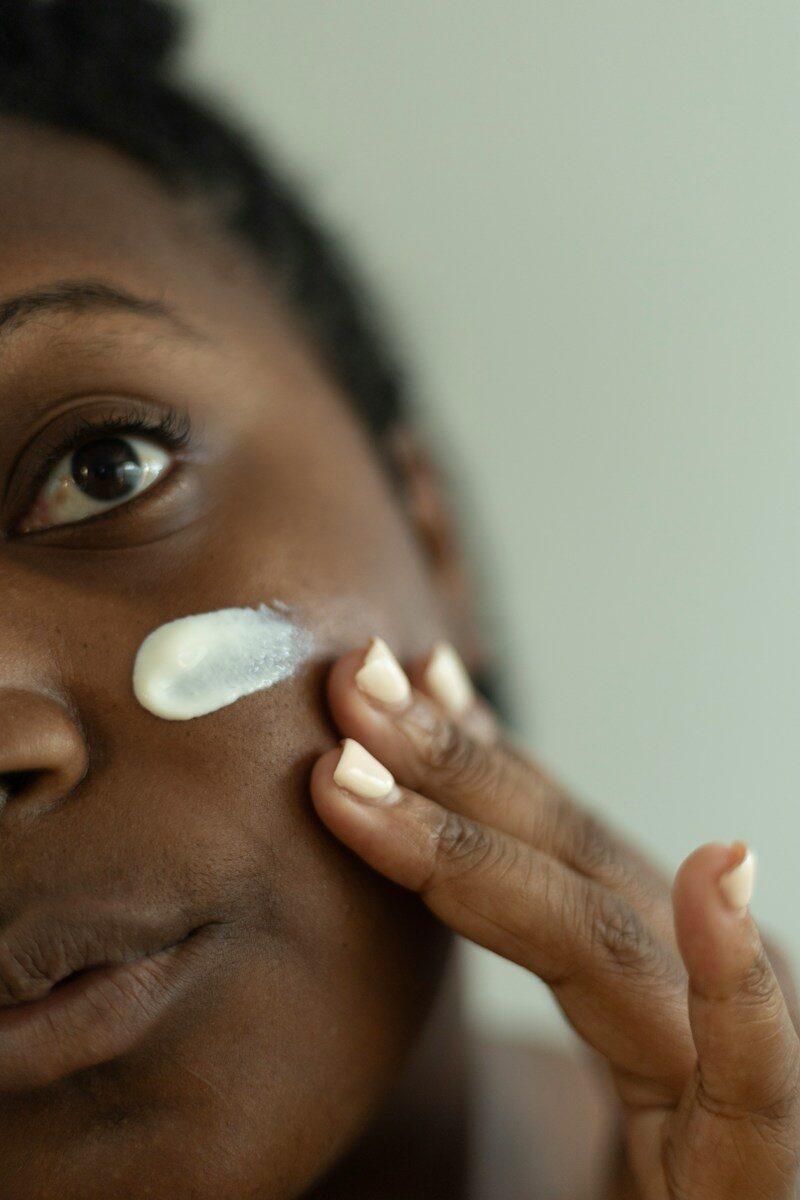
Third, rebuild the wall before reintroducing actives. A ceramide moisturiser morning and night, niacinamide in a simple leave-on serum, and panthenol for the after-wash window cover the barrier, the calm appearance and the comfort in three steps. Add centella when the flush is the dominant symptom. Judge each addition over two to four weeks before adding the next.
Fourth, reset before you escalate. When skin has been over-exfoliated, over-layered or scrubbed into a reactive cycle, the correct move is usually to simplify, not to add a stronger active: a gentle wash, a plain barrier cream, and two weeks of patience. Within Skin001’s formulation framework, this is the role of RESERUM™ — a reset base for over-reactive-feeling skin, applied here as the logic of the reset itself: restore the seal, calm the surface, and only then reintroduce actives one at a time.
Introduce one change at a time, and judge it over four to six weeks — a full renewal cycle — before deciding it failed. Symptoms that worsen, spread, or come with pain, swelling or blistering are not a routine problem: they are a reason to see a clinician, and a good routine includes knowing where its own limits are.
FAQ
Is reactive skin the same as sensitive skin?
They overlap, but reactive skin is the better description: sensitive skin suggests a permanent type, while reactive skin describes a state — skin currently responding strongly to stimuli it once tolerated. States can change, and a barrier-first routine is how they change.
Why does my skin sting when I apply a new product?
Stinging usually means the product is reaching living skin too fast because the barrier is thin or the acid mantle is stripped. It is information, not a verdict on the product: a thin barrier makes even a gentle formula sting.
Does flushing mean my skin is damaged?
Not necessarily. Flushing is blood vessels dilating, and it happens on healthy skin too — after heat, exercise or alcohol. It becomes a concern when frequent, prolonged, or paired with pain or persistent redness, in which case a clinician should assess it rather than a new cream.
How long does it take for reactive skin to calm down?
Most barrier-driven reactivity improves noticeably within two to four weeks of a simplified, barrier-first routine, and keeps improving over a full renewal cycle of four to six weeks. If nothing has changed after six weeks of genuine gentleness, the cause is likely not the routine, and a clinician’s assessment is the next step.
The CTA
Reactive skin is not a life sentence and it is not a skin type — it is a barrier under strain, a mantle stripped too often, and nerves that have had too much to report. The reactive sensitive skin causes mapped above share one answer: protect the lipid seal, respect the acid mantle, reduce the trigger load, and let gentleness do the work that force cannot. To explore the barrier-first compounds and bases behind this approach, visit Skin001’s pure compound ingredients and bases and start with the gentlest step that matches your skin.